
How to Tell If You Have Dry Eyes or Eye Allergies
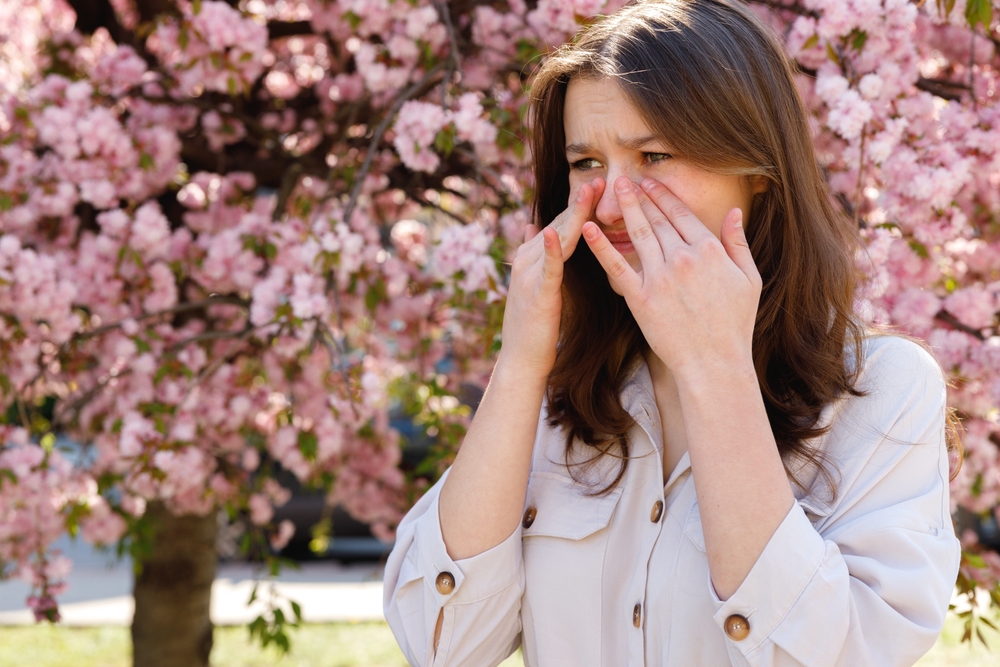
If your eyes feel irritated, itchy, or uncomfortable, you may be wondering whether you’re dealing with dry eye disease or eye allergies. While these conditions share similar symptoms, they have different causes and treatments. Understanding the difference is important, because the wrong treatment can actually make symptoms worse.
What Is Dry Eye?
Dry eye occurs when your eyes don’t produce enough tears or when your tears evaporate too quickly. Tears play a critical role in keeping the eyes comfortable, healthy, and clear. When the tear film becomes unstable, irritation and inflammation can develop.
Common Causes of Dry Eye
• Aging and hormonal changes
• Excessive screen use and reduced blinking
• Meibomian gland dysfunction (oil gland blockage)
• Certain medications, including antihistamines and antidepressants
• Environmental factors such as wind, smoke, or dry air
• Underlying health conditions like autoimmune disease
Dry eye is often a chronic condition that worsens over time without proper management.
What Are Eye Allergies?
Eye allergies, also known as allergic conjunctivitis, occur when your immune system overreacts to allergens in the environment. These allergens trigger the release of histamines, leading to inflammation and discomfort in the eyes.
Common Causes of Eye Allergies
• Pollen from trees, grass, or weeds
• Pet dander
• Dust mites
• Mold spores
• Smoke or strong fragrances
Eye allergies often occur seasonally but can also be present year-round depending on the allergen.
Key Differences Between Dry Eyes and Eye Allergies
Because the symptoms can overlap, many people confuse dry eye with eye allergies. While both conditions can cause eye irritation and redness, there are several key differences that can help distinguish between the two.
Eye allergies are most commonly associated with intense itching. This itching is often the primary complaint and may be accompanied by frequent rubbing of the eyes. In contrast, dry eye is more likely to cause burning, stinging, or a gritty, sand-like sensation rather than persistent itching.
Redness and swelling are more prominent with eye allergies. Allergic reactions can cause the eyes to appear red, puffy, or swollen, particularly around the eyelids. Dry eye may also cause redness, but it is usually milder and does not involve significant swelling.
Another important difference is how symptoms develop over time. Eye allergy symptoms often flare up seasonally or after exposure to specific allergens, such as pollen or pet dander. Dry eye symptoms, on the other hand, tend to be ongoing and may worsen with increased screen time, dry or windy environments, or prolonged visual tasks.
Why You Should See an Eye Doctor
Self-diagnosing eye discomfort can be challenging, and using over-the-counter drops without knowing the cause may not provide relief. In some cases, certain allergy medications can actually worsen dry eye symptoms.
At Mashpee Vision Care, a comprehensive eye exam allows your eye doctor to:
• Properly diagnose whether symptoms are caused by dry eye, allergies, or both
• Identify the underlying cause of your discomfort
• Recommend personalized treatment options based on your specific condition
• Monitor eye health and prevent long-term complications
Targeting the root cause is the key to lasting comfort and healthy vision.
Schedule an Eye Exam at Mashpee Vision Care Today
Dry eyes and eye allergies can feel very similar, but they require different approaches to treatment. Whether your symptoms are triggered by environmental allergens or an unstable tear film, an accurate diagnosis is essential for effective relief. If your eyes are consistently uncomfortable, itchy, or irritated, it’s time to seek professional care.
If you’re experiencing ongoing eye discomfort and aren’t sure whether it’s dry eye or allergies, Dr. Nyssa d’Hedouville and her team at Mashpee Vision Care is here to help. Visit our office in Mashpee, Massachusetts, or call (508) 477-1802 to book an appointment today.


Contact Info
Hours of Operation
- Monday 8:00am-12:00pm 1:00pm-4:30pm
- Tuesday 8:00am-12:00pm 1:00pm-4:30pm
- Wednesday 8:00am-12:00pm 1:00pm-4:30pm
- Thursday 8:00am-12:00pm 1:00pm-4:30pm
- Friday 8:00am - 12:00pm
- Saturday Closed
- Sunday Closed
- The office is closed Monday - Thursday
- from 12:00pm - 1:00pm
© 2026 Mashpee Vision Care. All rights Reserved. Accessibility Statement - Privacy Policy - Sitemap
Powered by: